Handmade at Altitude: Quiet Skills of the Julian Alps

Today we journey into Julian Alps Slowcraft, celebrating patient making shaped by stone valleys, cold rivers, and sunlit meadows. Expect stories of larch and wool, honey and clay, and the resilient people who keep careful traditions alive. Follow along, share your questions, and subscribe to receive new maker interviews, itineraries, and guides for traveling gently and supporting small workshops without rushing what time, weather, and care must slowly teach.

A lineage of hands

In a Bohinj kitchen, a grandmother once hemmed linen by oil lamp while snow bent the eaves. Decades later, her grandson throws clay on a foot-powered wheel, echoing her rhythm. Skills travel inside stories, stitched with weather and song. People remember not just stitches, but when to start before dusk, how to listen for river levels, and why a pot must cool slowly near the oven door to avoid a cracking sigh.

Seasons as teacher

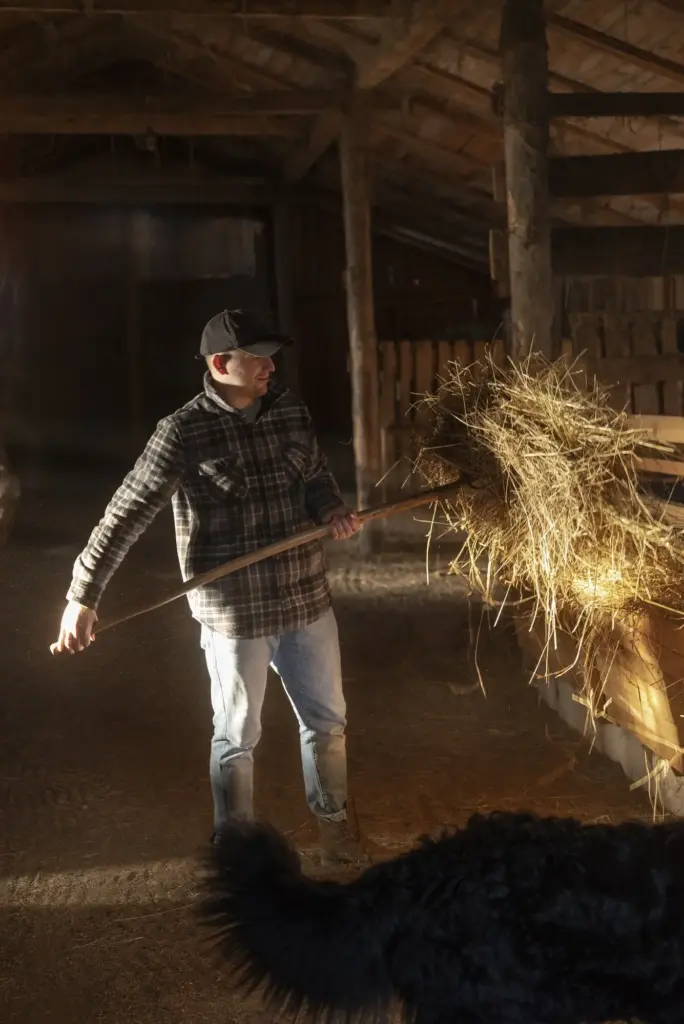
Winter tightens fibers, summer loosens knots. Spring is for bark stripping, when sap rises, and autumn is for smoke-curing cheeses as fog deepens. Slowcraft here follows astronomical clocks: moons for planting hemp, saints’ days for shearing, fair weeks for selling. Makers read the sky as carefully as patterns, letting slowness become a measuring stick for honesty. To rush is to forget how hard frost, thaw, and wind collaborate with our efforts, finishing what hands begin.

From borderlands to bridges

These valleys gathered languages and methods like a patchwork apron: Slovene lullabies, Friulian recipes, German steel habits, and Italian market flair. Traders swapped salt for wool, nails for honey, patterns for glaze slips. Every exchange added a thread, never identical, always respectful of terrain. Today, studios still carry this bridging spirit, blending inherited techniques with neighboring insights, proving that careful making is not isolation, but a handshake across ridgelines and time-worn mule tracks.

Stone, Wood, Wool, and Honey

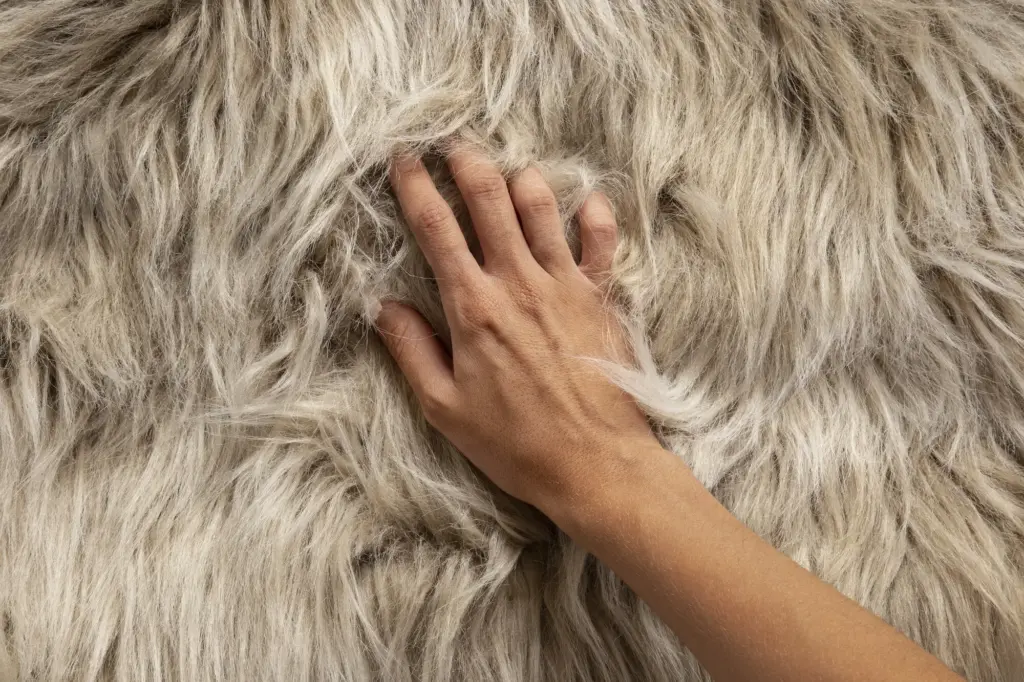
Materials here are not backdrops; they are mentors. Larch resists weather, beech shapes clean curves, limestone tempers fires, and river stones teach balance. Local fleece carries lanolin that shrugs off drizzle, while mountain bees write liquid sunlight into combs. Each choice matters: a board seasoned above a hearth, clay folded to remove hidden air, wax rendered until it glows. Julian Alps Slowcraft trusts materials to lead, and makers learn by listening without pride.

The potter by the Soča

Beside the turquoise river, a potter kneads clay with river sand strained through an old sieve. His glazes echo water in low sun, shifting from pale green to steel blue. He talks about slip thickness and the quiet terror of cooling stages. Yet he smiles telling how hikers return years later, carrying chipped cups for repair, proof that beauty grows richer when it travels, is used daily, and survives a few soap-slippery mornings.

Strings shaped in Radovljica

In a cedar-scented room near Bled, a luthier carves plates so thin they tremble like wings. He taps for the hidden note that says wood and air agree. Bridges, soundposts, and glue lines obey humidity read from a calendar of storms. Musicians visit to play under rafters darkened by generations of smoke. Instruments leave carrying valley breath, returning for adjustments like old friends seeking advice, their voices growing warmer with each careful season.

A day among Bohinj hamlets

Begin at dawn near Lake Bohinj when mist drifts like unspun wool. Wander Stara Fužina’s lanes toward a tiny dairy where warm whey steams the doorway. Hike to Planina Zajamniki, greeting wooden huts lined like notes on a staff. Share bread, Mohant’s bold whisper, and stories of haymaking on steep meadows. Return by river light to a weaver’s porch, buy a towel woven with patient stripes, and thank the mountains for slowness.

Borderland loop: Kobarid to Drežnica

Follow a loop that braids craft with memory. In Kobarid, visit a baker shaping loaves with braided rims, then cross suspension bridges that hum under foot. Climb to Drežnica for embroidery bright as summer churches, patterns handed mother to daughter. Pause at a mountainside dairy to taste young Tolminc, then read forgotten names along old paths. End with sunset-hued honey and a chatty host who trades recipes for your promise to return slower.

Train and foot from Jesenice

Ride the train into Jesenice, where iron history still clangs in stories, then walk toward Mojstrana’s gateway meadows. Visit a blacksmith who tempers garden tools with snowmelt patience, edges quenched in a trough reflecting peaks. Pause at an open-air farmstead museum, learning how rafters store herbs and ladders double as drying racks. Finish beside a millrace humming like a soft beehive, jotting notes for your next visit, kinder to your calendar.

The ritual of tool care

Before first cuts, edges meet whetstone and river water. Honing strokes count like prayer beads, steadying breath and posture. A leather strop sings a low approval, and handles get a beeswax rub that warms under palm heat. This care saves time disguised as patience, preventing tears, splits, or slips. Tools become companions with remembered quirks, ready to translate thought into grain, fabric, or clay without raising their voice or yours.

Patterns that remember

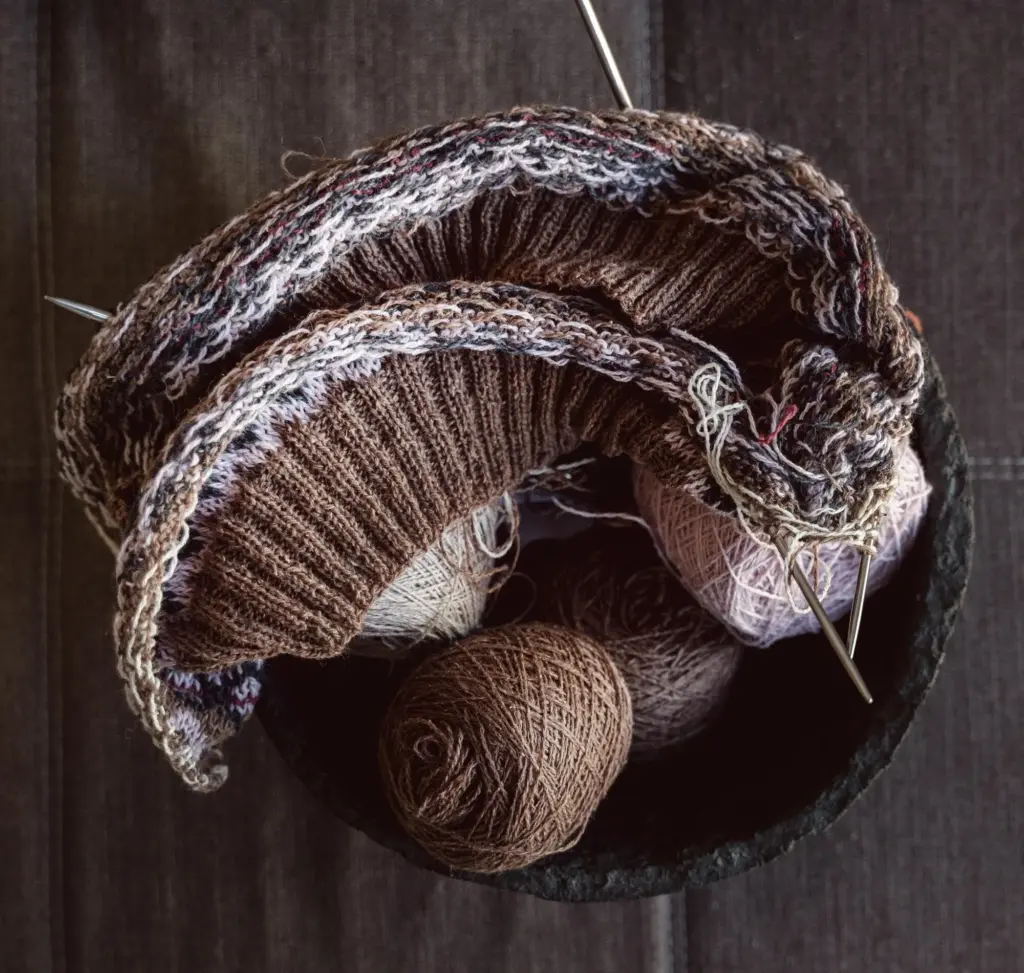
In mountain households, patterns carry place-names and harvest dates. A Bohinj stripe might echo sunrise on Triglav, while Drežnica cross-stitches echo chapel windows. When makers teach, they begin with the story, not the count. Learners slow their eyes first, hands second. Repetition unclenches shoulders, and variation becomes a respectful nod to weather, fiber, and mood. Finished work feels familiar yet fresh, like a path walked many times after new snow.

Cheese, Smoke, and Alpine Herbs

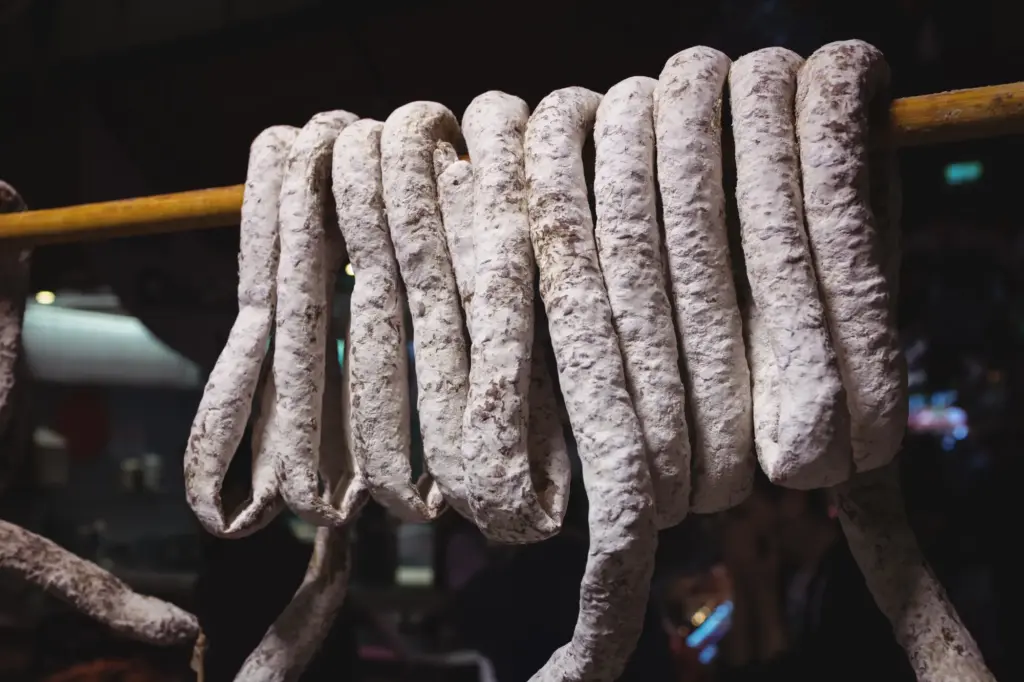
Taste reveals craft as surely as touch. Milk thickened on mountain pastures carries meadow syllables; smoke traces map unseen footpaths; herbs fold summer into winter mugs. Food here is both sustenance and archive, keeping families, fairs, and feasts connected. Makers explain ripening by reading caves, salting by listening to wheels, and blending by remembering grandmothers’ baskets. Each bite is an apprenticeship moment, teaching visitors to recognize patience with their tongues and cheeks.

Mohant and the Bohinj dairy path

Strong, nuanced, and fiercely local, Mohant mingles barn warmth with meadow depth. Walk the Bohinj dairy path to meet cheesemakers who still lift curds by hand, stirring modest vats while rain taps on shingles. Learn why small batches matter, why rinds change with altitude, and how families pair slices with buckwheat mush. You will leave with respectful hunger, a loaf under your arm, and a promise to buy direct whenever you can.

Tolminc and the patience of cellars

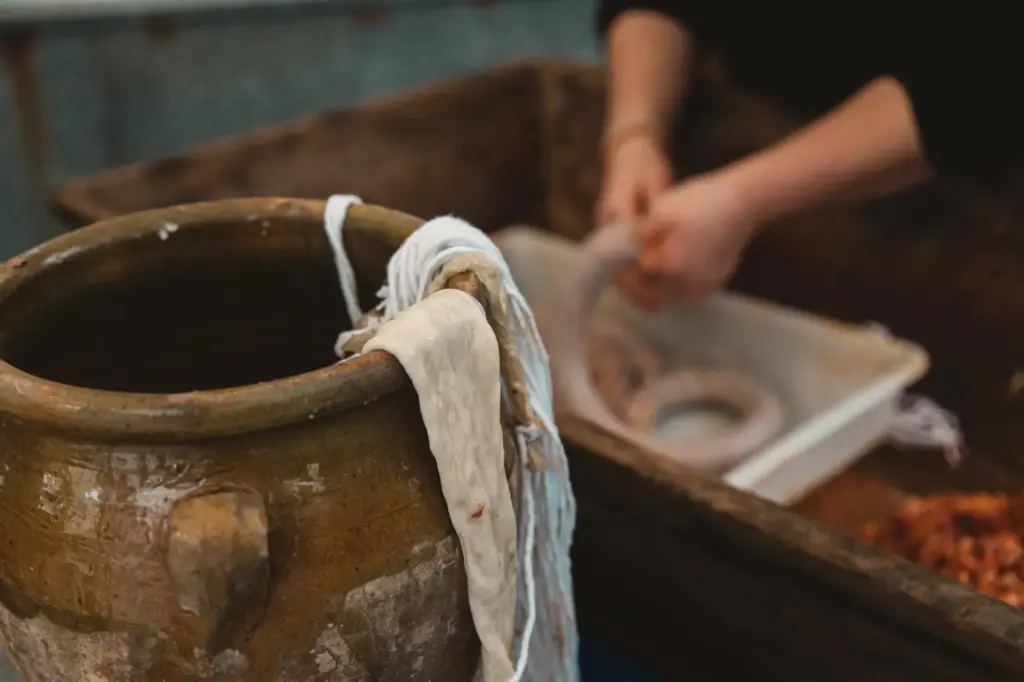
Tolminc ripens in cellars that breathe like careful animals, cool and consistent. Wheels rest on wooden boards rubbed with brine and attention. Makers flip and brush them to invite even maturation, accepting that real flavor respects calendars, not clocks. Cut a wedge and hear a friendly squeak; taste grasses, stones, and sun. Bring your questions, your notebook, and your appetite, then tell friends how patience tastes when shared beneath low, comforting beams.

Keeping Valleys Alive

Circular materials and mindful sourcing
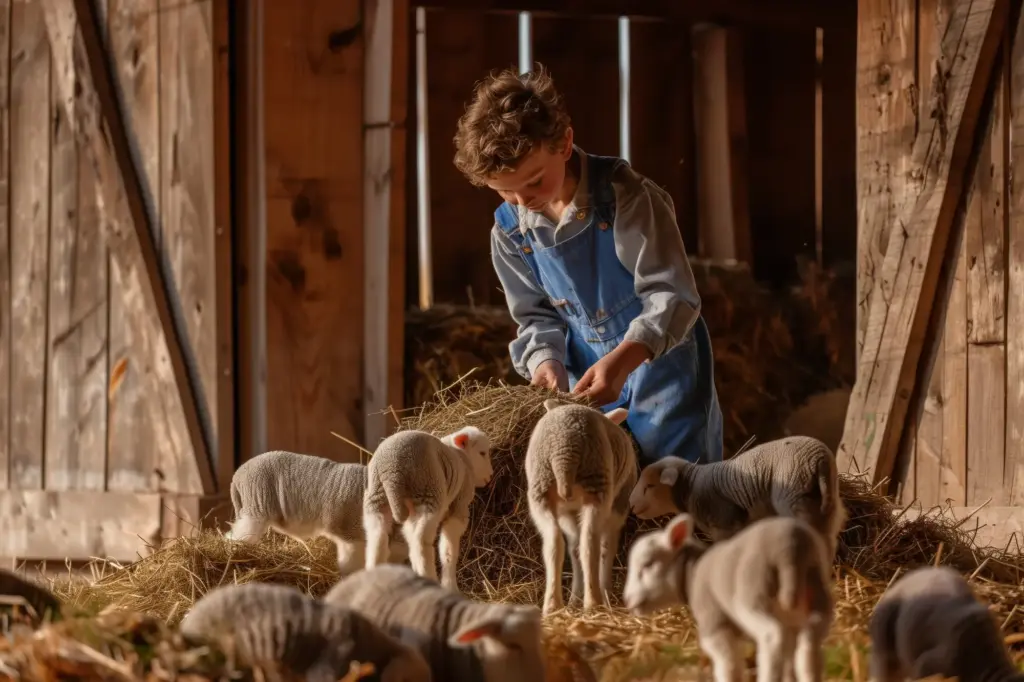
Shavings heat workshops, offcuts become buttons, and cracked bowls become teaching tools. Tanners rescue hides that would be waste, while dyers choose plants that grow back easily. Packaging avoids plastic glare, favoring simple paper tied with twine. Makers track provenance like a family tree, showing customers not perfection but transparency. Your role is simple: ask kind questions, accept irregular beauty, and reward honesty with loyalty that outlasts seasonal trends and hurried fads.

Cooperatives, fairs, and shared kilns
When costs rise, makers gather. A shared kiln hums through night while several studios nap. Fairs in town squares become classrooms where children try spindles and tourists learn respectful bargaining. Sawmills cut community lots, dairy huts rotate watch duty, and vans pool deliveries. These arrangements turn solitude into solidarity, safeguarding fragile crafts from isolation. Sign up for newsletters, volunteer at events, and spread the word so these practical alliances keep doors open year-round.

Join the circle

We invite you to engage warmly: subscribe for monthly routes, reply with questions for featured makers, and share photos of pieces you use daily. Suggest artisans to visit, propose slow journeys, and tell us how you adapted these practices at home. Your comments guide our next interviews and field notes. Together we can keep the Julian Alps Slowcraft spirit generous, grounded, and welcoming to newcomers who value patience over noise.
Pexilumasano
Privacy Overview

This website uses cookies so that we can provide you with the best user experience possible. Cookie information is stored in your browser and performs functions such as recognising you when you return to our website and helping our team to understand which sections of the website you find most interesting and useful.