Where Alpine Winds Meet Honest Wool

Today we journey through “Sustainable Wool and Alpine Sheepcraft: From Pastures to Products in the Julian Alps,” tracing living knowledge across wind-brushed ridgelines, stone-walled folds, and humming workshops. Expect practical insight, vivid stories, and actionable inspiration for shoppers, makers, and hikers who care about land, animals, and beautifully durable clothing.

Mountains, Flocks, and Stewardship

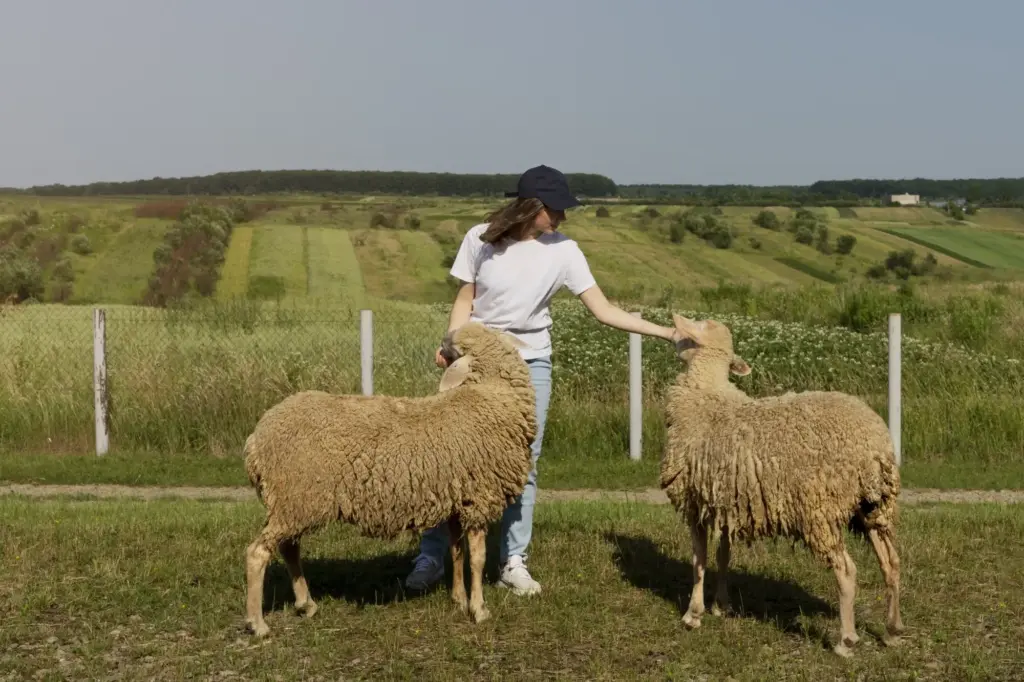
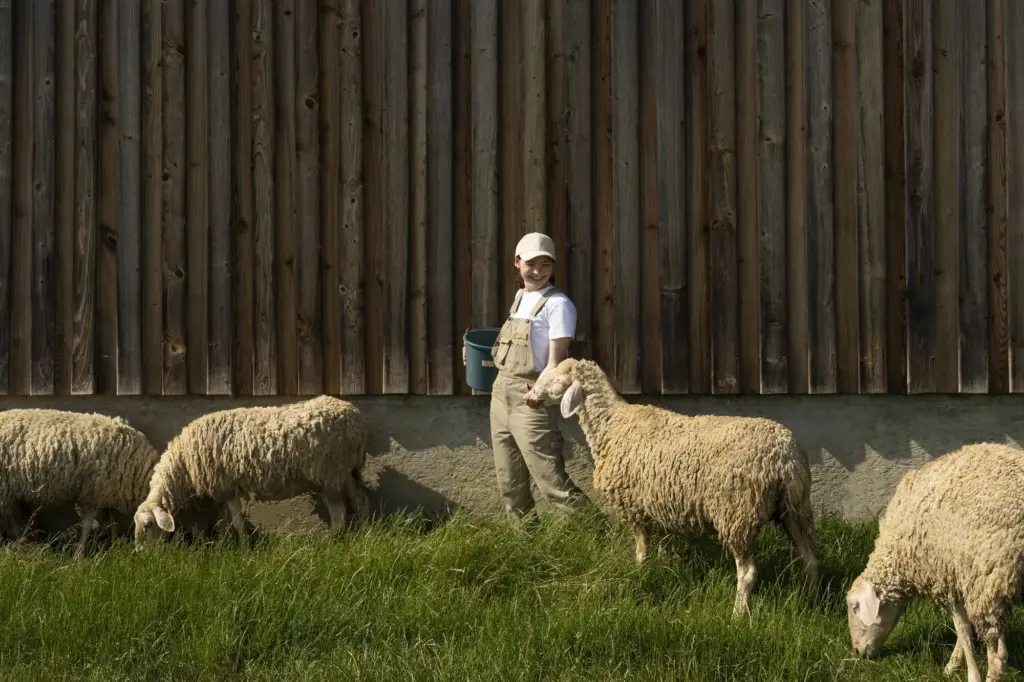
High meadows known as planine cradle flocks beneath towering limestone faces and the bright rivers of the Soča and Sava. Here, caretaking the land is inseparable from raising sheep. Generations balance grazing pressure, protect springs, and keep paths open, proving that beautiful landscapes and practical livelihoods can thrive together when respect guides every step and bellwether.

Shearing with Respect

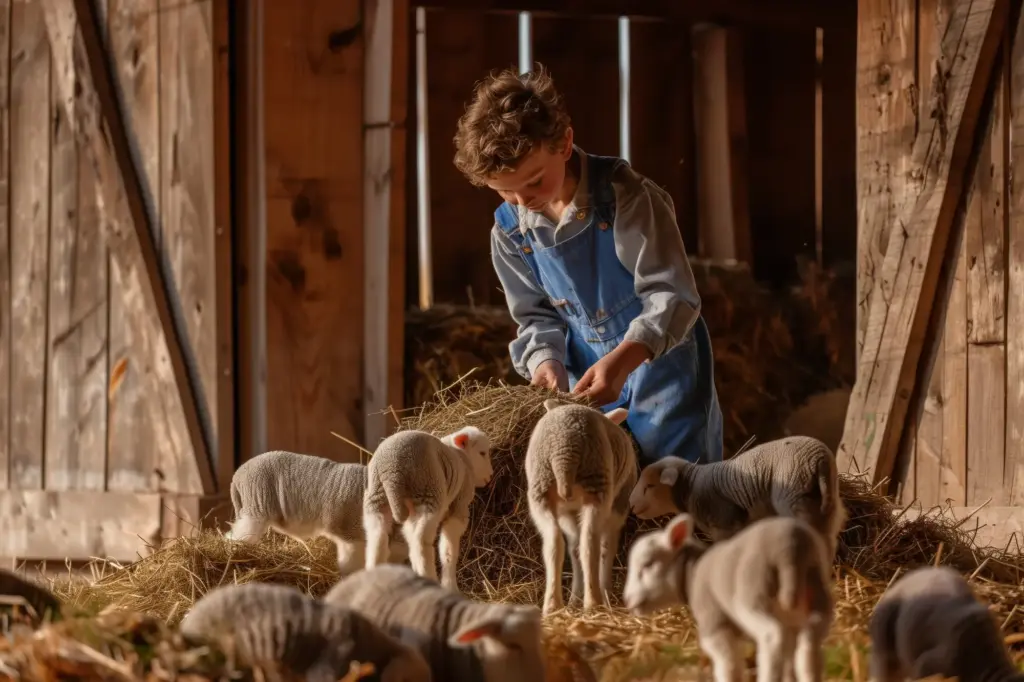
Choosing a mild, dry morning keeps shorn ewes comfortable and fleeces free from damp that invites mildew. Skilled shearers roll a fleece in one continuous map, belly wool aside, tips aligned. Safety mats, calm dogs, and steady voices matter. Tiny decisions—blade angle, knee placement, hand pressure—add up to fiber integrity and lasting animal confidence.
Rotational moves prevent overgrazing, let flowers set seed, and discourage erosion near springs. Short, purposeful visits create mosaics where orchids, butterflies, and ground-nesting birds find refuge. Pasture recovery times change with rainfall and altitude, demanding attentive notes. Share your rotation tricks, mapping tools, or simple fence hacks that help grass rebound and flocks settle peacefully.
Spongy soils rich in roots and organic matter hold late-summer moisture and store carbon drawn from bright alpine air. Shade trees shelter rumen microbes from heat stress, while salt placement guides hoof traffic away from fragile seeps. Measured stocking rates, manure composting, and careful lane design keep waterways sparkling and neighbors grateful after heavy storms.

Clean Fiber, Low-Impact Processing

From sorting tables to scouring vats, small choices protect rivers and preserve hand. Gentle detergents, closed-loop water systems, and lanolin recovery make a difference. Local mills reduce hauling, retain knowledge, and welcome knitters to watch bales become yarn. If you run a micro-mill or have toured one, tell us what surprised you most and why.

Scouring Gently

Warm, not boiling, water coaxes grease away without shocking fibers. Biodegradable surfactants replace harsh solvents; lanolin separation captures a valuable by-product for salves and soaps. Thoughtful pH control preserves strength, while screened drains trap vegetable matter. Post-wash, fiber dries in mountain air, lifting a faint resinous scent that signals cleanliness without losing the fleece’s character.

Spinning Stories at the Mill

Carders tease locks into clouds; drawframes even slivers; spindles sing. Millers decide twist, ply, and finish, translating pasture into performance. A tighter twist suits socks; loftier singles cradle shawls. Transparent batch notes—date, shepherd, breed, micron range—invite buyers into the process, transforming a skein into a relationship built on evidence, curiosity, and shared responsibility.

Felting and Weaving Choices

Some fleeces felt into dense slippers and weatherproof hats; others weave into breathable blankets and timeless yardage. Fulling, milling, and pressing can lock fibers without synthetic resins. Selecting structure begins with staple length and crimp. Tell us your favorite weave for changeable mountain weather, or the felting trick that finally delivered durable softness without bulk.

Color and Design from the Mountains
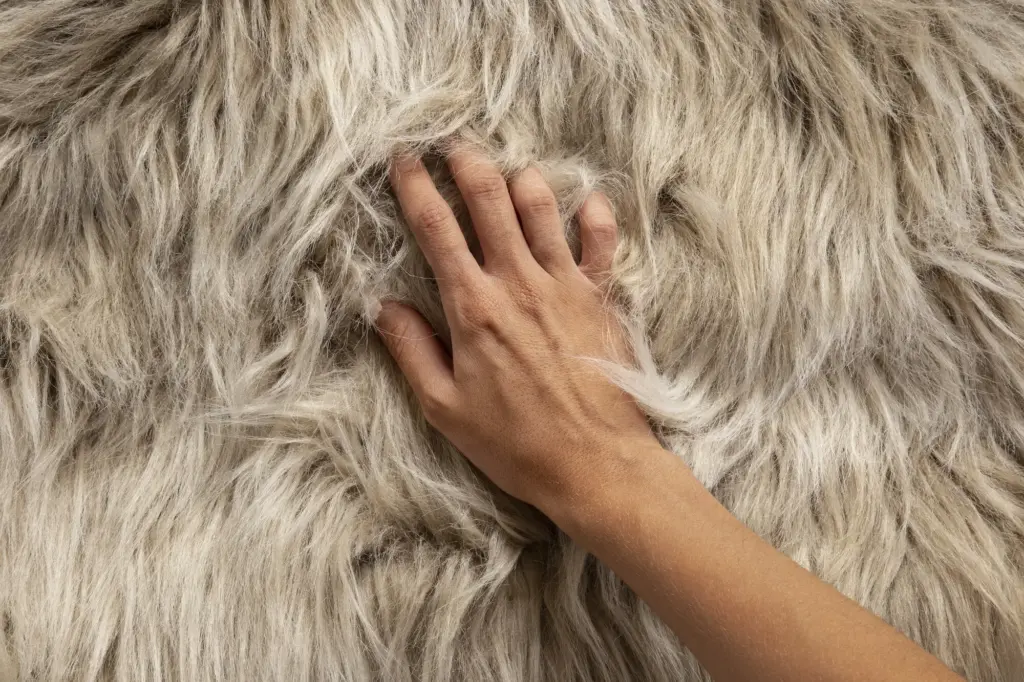
Palette grows from lichened stones, river pools, and larch needles. Natural dyeing with weld, walnut hulls, onion skins, and madder respects waterways when mordants are measured and baths reused. Designers read contours of fleece, not forcing it flat but letting bounce dictate drape. What landscape detail would you translate into a cuff, yoke, or selvedge?

From Workshop to Wardrobe

Finished goods—beanies, cardigans, felted soles, insulation batts—carry relationships between shepherds, millers, and wearers. Transparent pricing, batch codes, and thoughtful packaging turn purchases into participation. Whether you buy direct in a valley market or online with a traceable QR, your choice backs careful land work. Tell us what provenance details help you feel truly confident.

Cooperative Power

Small farms pool fleeces, negotiate fair processing slots, and share marketing. Collective grading raises quality; shared storage protects clip integrity. Community tastings—of wool hand, not just cheese—teach buyers to feel bounce and resilience. If you belong to a cooperative, describe one practice that saved money, reduced waste, or simply kept neighbors motivated through tough weather.

Traceable Journeys

Simple tags link a hat to pasture GPS, shearing date, and mill log. Photos of ewes in bloom-rich meadows strengthen trust more effectively than slogans. Some makers adopt recognized standards or publish their own criteria. What information would you scan from a label at a market stall to decide quickly, confidently, and joyfully to support the maker?

Fair Prices, Real Value

Paying for skilled labor, clean power, and slower processes means garments that last, mend, and hold memories. Cost per wear drops as years pass and drafts meet wool’s quiet warmth. Share your budgeting approach, gifting traditions, or repair habit that makes investing in integrity feel not only possible but satisfying, like setting aside fuel for winter.

Care, Repair, and Circularity

Longevity is sustainability’s easiest win. Gentle washing, airing, and mindful storage prevent moth damage and preserve shape. Visible mending turns scuffs into stories; community swap tables and repair nights extend usefulness. When garments retire, felting or shredding returns fibers to active duty. Tell us your smartest care tip and the sentimental mend you proudly wear.

Washing and Storage

Cool water, mild soap, and stillness protect scales and structure. Skip the spin barrel; press between towels, then dry flat away from glaring heat. Cedar blocks, tight containers, and daylight inspections deter moths. A seasonal audit—wash, mend, note—prepares wardrobes for travel, chores, and celebration without emergency scrambles that waste time, energy, and cherished materials forever.

Mending Traditions

Darning eggs cradle heels while woven bridges span thin spots. Patches celebrate contrast or vanish into texture, both honoring use. Host a repair circle; trade needles, tea, and courage to begin. Share your first successful mend, the mistake that taught you patience, and the color choice that made repaired elbows the conversation starter at chilly trailheads.

Pexilumasano
Privacy Overview

This website uses cookies so that we can provide you with the best user experience possible. Cookie information is stored in your browser and performs functions such as recognising you when you return to our website and helping our team to understand which sections of the website you find most interesting and useful.