Handcrafted Wood and Stone of the Julian Alps: Workshops and Makers
Step into mountain valleys where spruce and larch meet bright rivers threading through limestone gorges. Today we journey into the handcrafted wood and stone traditions of the Julian Alps, meeting workshops and makers who still plane, carve, chisel, and build by hand. Expect practical tips for visiting studios, heartfelt stories from artisans, and ideas for supporting their livelihoods. Say hello in the comments, share your experiences, and subscribe to keep traveling with us from bench to quarry, season by season.
Echoes of Timber and Stone in Mountain Life
In the Julian Alps, daily life has long been shaped by the duet of wood and stone, joined by snow, sun, and the steady rhythm of rivers. Makers learn to listen: to grain that whispers under a plane, to limestone ringing beneath a hammer. Walk through hamlets and you’ll find shingles silvered by weather, steps worn smooth by boots, and benches carved with initials, dates, and stories that keep communities stitched tightly together.

Planning Respectful Studio Visits
Write before you arrive, introduce yourself, and ask about the best time to stop by. Workshops often juggle commissions, farm chores, and family life. A small fee for demonstrations or a class shows appreciation for time and knowledge. Dress for dust and splinters, arrive punctually, and keep phone cameras considerate. If you learn something meaningful, share that gratitude in a note, review, or donation to the community group that hosts local events.
Sights, Sounds, and Safety
Expect the perfume of resin, the rasp of files, the rhythm of mallets, and sudden rain drumming on corrugated roofs. Follow instructions about where to stand, which tools never to touch, and when to wear eye or ear protection. Ask permission before handling a green carving or a freshly surfaced stone. Pay attention to cords, chisels, sharp blades hidden in shavings, and heavy blocks perched on trestles. Safety keeps stories going without interruption.
Buying With a Conscience
Look for wood sourced from responsibly managed forests and storm-fallen trees, and stone from small quarries that steward landscapes with care. Ask about finishes—food-safe oils, low-VOC treatments—and about the hours invested in each piece. Fair pricing sustains livelihoods and apprenticeships, not only souvenirs. Choose durable objects you will repair, not replace. Request maker’s marks and care instructions, then share their names with friends. Ethical purchases turn admiration into long-term support and steady work.
Visiting Workshops Across the Soča and Sava Valleys
From Bohinj and Bled to Kobarid and Kranjska Gora, open doors reveal benches, anvils, whetstones, and unfinished pieces quietly waiting. Travelers are welcomed when they arrive with curiosity, care, and time. Studios are working places, not showrooms; sawdust marks hours, not just moments. Learn etiquette, book ahead, and be ready to listen. Your respectful presence, fair purchases, and thoughtful questions become part of the living support that keeps these skills alive.
Tools That Shape the Mountain Heritage
A craftsperson’s kit is a vocabulary: adzes and axes rough shape beams, drawknives and spokeshaves coax curves, chisels and gouges find shadows and light. For stone, points, chisels, and bush hammers reveal structure; hand drills and feathers open lines. Whetstones, strops, and files make edges sing. Water-powered mills and modern dust control live beside centuries-old benches. The tools are humble, precise, and always teaching patience, body mechanics, and an unhurried respect for material truth.
Stories From Alpine Makers

Learning Beside a Stove-Warmed Bench
Apprenticeship rarely starts with contracts; it begins with sweeping floors, asking good questions, and learning the names of every tool. Elders teach by gesture more than lecture, correcting posture, guiding pressure, and modeling humility. Women lead and learn alongside men, and children watch quietly, absorbing rhythms. Over months, the bench becomes a map of milestones: first clean mortise, first even bevel, first customer smile. Skill grows slowly, nourished by trust, repetition, and shared meals.
Repair After Storm and Snow
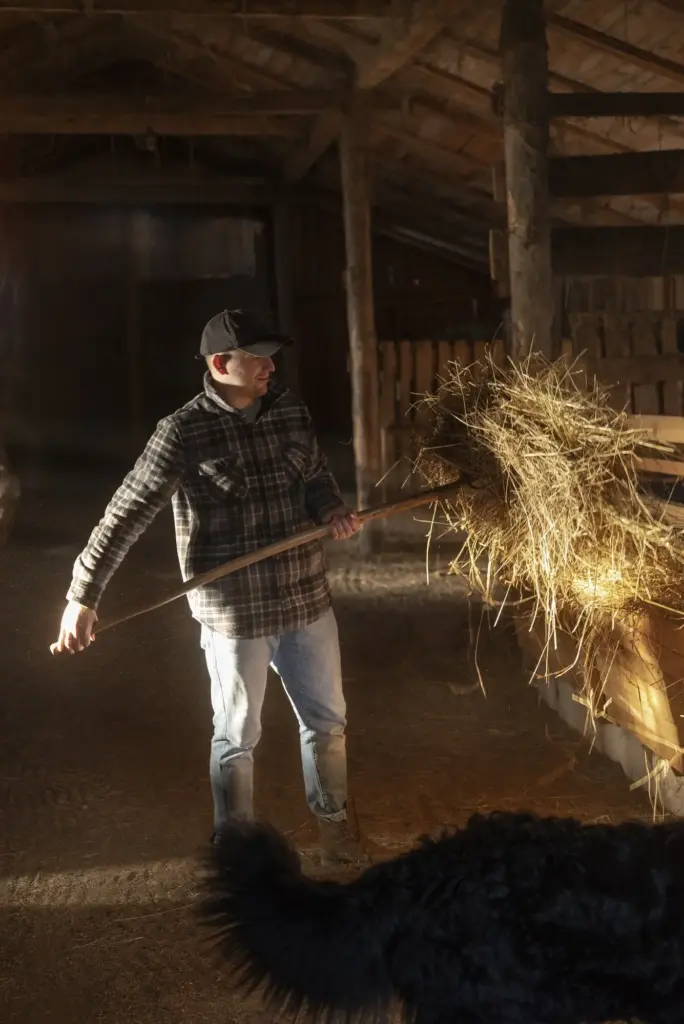
When wind flattens spruce or snow cracks lintels, makers respond first with triage, then with careful mending. Fallen timber becomes benches instead of waste; split thresholds are dutchman-patched and lime-washed. Communities rally with chainsaws, sleds, and hot soup, documenting measurements before dismantling. Repair work preserves fingerprints of age—nail patterns, smoke shadows, tool marks—so history remains legible. These moments remind everyone that resilience is a craft, too, practiced with neighbors, not merely with tools.
Gatherings That Keep Skills Alive
Seasonal fairs and summer markets bring makers downtown, where stalls brim with spoons, stools, cutting boards, lettered plaques, and hand-dressed stone planters. In Bohinj, the joyful return of cattle from high pastures fills fields with music, dancing, and craft demonstrations. Workshops open for try-it-yourself carving, kids join safe sanding corners, and stories travel faster than sales receipts. These gatherings renew friendships, seed apprenticeships, and invite travelers to become long-term supporters rather than passing admirers.
Design Language of Alpine Wood and Stone
Forms answer weather here: steep eaves lift snow, shingle roofs breathe, and stone plinths wick moisture away from timber frames. Joinery stays honest—tenons proud, pegs visible—so maintenance is straightforward and beauty grows with repairs. Motifs echo peaks and flowers in spare geometry, while limewash softens hard lines into welcoming warmth. This quiet, durable aesthetic respects material character, avoids ornament for ornament’s sake, and finds elegance in service to shelter, food, and fellowship.

Hands-on Learning: Short Courses and Open Studios
Spoon and Board Carving for Beginners
Start with green spruce or alder, soft and forgiving, then practice reading grain like contour lines on a map. Learn safe chest lever cuts, proper thumb pushes, and how to anchor elbows to avoid slips. Hollow with a shallow gouge, refine with a sloyd knife, then finish using card scrapers rather than sandpaper alone. Oil with food-safe finishes and record the date under the handle. Your first spoon will feed many breakfasts and stories.

Lettering in Limestone
A good inscription begins with layout, not hammering. Sketch words, set spacing, and establish a baseline that respects the stone’s edges. Practice V-cuts with light, consistent blows, keep serifs crisp, and angle the chisel to catch light. Work on a sandbag to prevent chips from skittering. Pause often, brush dust gently, and decide where texture should remain. When letters finally read clean from three paces, you’ll feel the strange hush that skill invites.
Slow Travel for Families
Workshops welcome children when projects match small hands and attention spans. Simple butter spreaders, stamped stone coasters, and sanded tree cookies become playful gateways to patience and pride. Safety is a shared practice: blunt tools for starters, clear rules, and frequent breaks for hot chocolate. Families learn together how effort makes objects meaningful. Back at your lodging, talk about makers, write postcards, and share respectful photos online to encourage others to travel thoughtfully.
Caring for Crafted Pieces at Home
Wood That Ages Gracefully
Clean with warm water and mild soap, then dry standing on edge to prevent warping. Refresh surfaces using food-safe mineral oil, linseed, or tung blends, buffing with a soft cloth until the grain brightens. Beeswax adds a protective sheen that deepens color. Keep pieces away from radiators and direct sun, and never leave them soaking. Light scratches become part of the patina; deep ones invite a gentle rescrape that restores a satin, hardworking glow.
Stone That Holds Its Shine
Limestone and dolomite prefer kindness: no vinegar, no bleach, and no heavy acids that scar. Wipe spills promptly, clean with pH-neutral soap, and rinse well. For counters or trivets, consider a breathable impregnating sealer that resists stains without trapping moisture. Attach felt pads beneath planters to stop grit scratching. If a chip occurs, save fragments for a careful future repair. Remember that subtle texture hides wear gracefully, rewarding everyday care with long, handsome service.
Keep the Story With the Object
Tuck a handwritten note beneath a board, listing the maker, wood species, finish, and purchase date. Photograph the piece in use, and file the receipt where heirs will find it. Share respectful posts that credit artisans, local forests, and quarries. When friends admire your spoon or step stone, tell them how you learned to oil, lift, or place it. These small acts turn souvenirs into heirlooms, sustaining makers through word-of-mouth far beyond one sale.


Sustainably Sourced, Deeply Rooted
Mountain stewardship begins with choosing materials that honor landscapes. Many workshops favor storm-fallen logs, selective harvesting, and small quarries that protect water and wildlife corridors. Efficient stoves, shared deliveries, and durable designs reduce waste while extending service life. Offcuts become toys, wedges, or kindling; stone chips dress garden paths. Ask questions, prefer repairs, and celebrate objects that invite care. Sustainability here is not a slogan but a working relationship among people, forests, stone, and time.

All Rights Reserved.